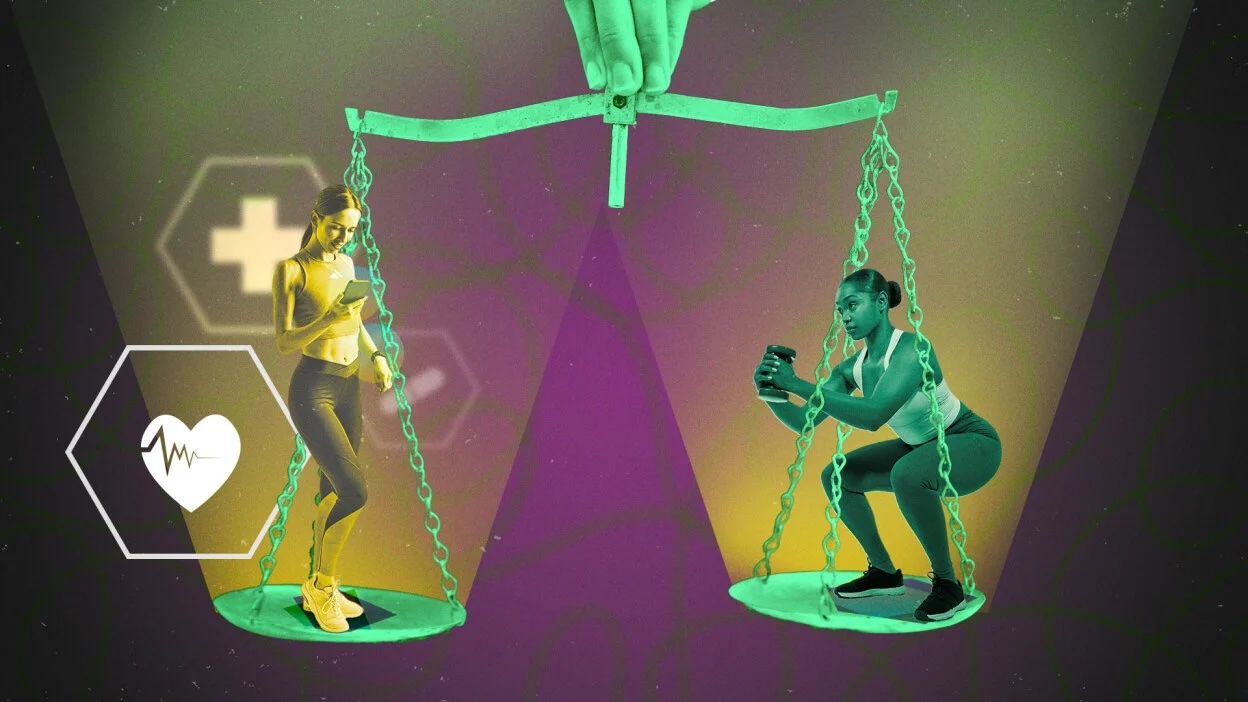
Technology is making it easier to stay in shape, but only for those who can afford the steep prices of digital fitness devices and the subscriptions that typically go with them. That's why Amy Gonzales, an associate professor in UC Santa Barbara's Department of Communication, argues that comprehensive health data is rapidly becoming a luxury good amid a deepening digital health divide.
"In many ways, access to healthcare means access to technology," Gonzales recently told LifeHacker. "Especially since [the COVID-19 pandemic], the healthcare industry relies heavily on technology for their services. Text reminders about your appointment, scanning a QR code to check in, needing an e-health account to see your test results, or some providers only being available via telehealth, and so on."
According to Gonzales, the creation of a two-tiered information system is perhaps the most insidious aspect of fitness tech inequality. While a person with an Apple Watch or other digital health tracker can receive detailed daily reports about their cardiovascular health and other data points, people who can't afford the $420 for the watch are left in the dark.
You can read the rest of the article at LifeHacker.